Emergency? 24-Hrs
416.800.0000
Emergency? 24-Hrs
416.800.0000Are you having a plumbing emergency? Trust GTA Restoration’s 24/7 emergency plumber services in Toronto & the GTA! Our lighting quick response is guaranteed, we have emergency plumbers on call 24 hours a day. In the case of a flood or water damage our emergency plumbing crew is accompanied by our water damage restoration team, ready to start the water cleanup as soon as our emergency plumber addresses the flood source.
Whatever your plumbing emergency cause is, whether you are dealing with a burst pipe, drain clog, frozen pipes, water heater or sump pump malfunction, sewage backup or any other flood emergency, we will swiftly resolve the issue.
Additionally we are also a flood and water damage restoration company. Our emergency plumber will quickly resolve your plumbing issue and our water damage restoration crew will step in with their water extraction equipment, will halt any additional water damage and finally dehumidify and restore your property and belongings.

GTA Restoration is unlike most plumbing companies because we are ready in any emergency. We help people with burst pipes, frozen pipes, leaking pipes and much more every day. When something happens to your plumbing system you want to fix it as soon as possible and that’s what we do best with our 24/7 emergency plumbing service, we are always ready to help.

If you experience a burst pipe, it’s very important that you act fast in order to minimize the water damage and avoid the growth of mold. GTA Restoration is ready to help you with our 24/7 emergency plumbers, with 15 years of experience dealing with burst pipes and the latest equipment to ensure that it gets taken care of quickly and effectively.

If your toilet is overflowing, it must be solved quickly to prevent any water damage. Our emergency plumbers can be on site quickly to help you. GTA Restoration is highly experienced and prepared to help you deal with toilet overflow. Our team will not only help you solve your toilet problems, but can provide you with water overflow and perform a full sewage backup cleanup & remediation.

When GTA Restoration clears your drains, we do it without damaging fixtures. All plumbing systems clog eventually, when it happens to you, don’t be fooled by thinking that simply using a liquid chemical can solve all problems. Chemicals alone cannot clear your drain completely, and using them can cause your toilet bowl to crack from the heat.

GTA Restoration has found that the best way to fix a clogged pipe is to clear it using a drain auger with a cutting head to remove all the debris. Instead of doing this yourself, contact GTA Restoration and let us save you the headache and have your drains completely cleaned safely and efficiently.
Our Toronto emergency plumbers have over 15 years of experience in specifically emergency plumbing. By hiring a GTA Restoration emergency plumber you can avoid overtime charges that regular plumbers charge. Our experienced Toronto emergency plumbing team can deal with a broken water main, a backed up basement floor drain, clogged toilet, clogged bathtub or sink, broken sewer line and sewage backup, storm drain overflow, burst pipes, frozen pipes and more.
If you experience an emergency and need a plumber as soon as possible GTA Restoration has you covered. Our emergency plumbers are available 24/7 and able to assist you any time. No matter how large the problem, GTA Restoration’s emergency plumber service will be able to handle it. Our plumbers have years of experience dealing with all issues as well as all the latest equipment to ensure that your problem is fixed properly and efficiently.


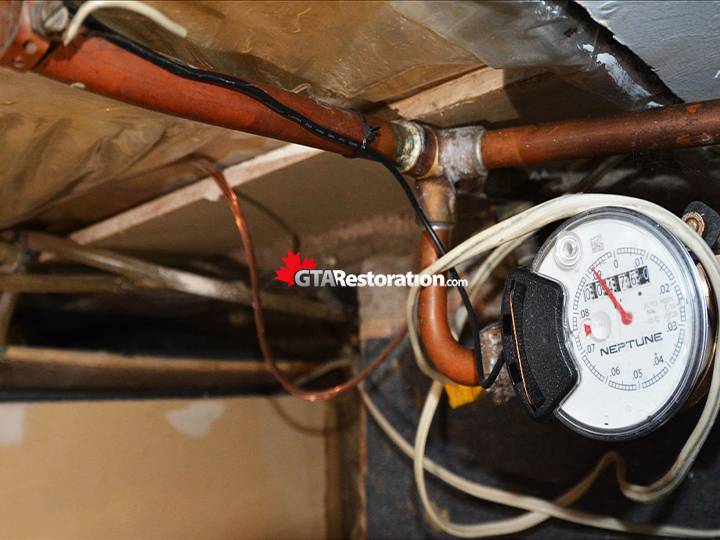
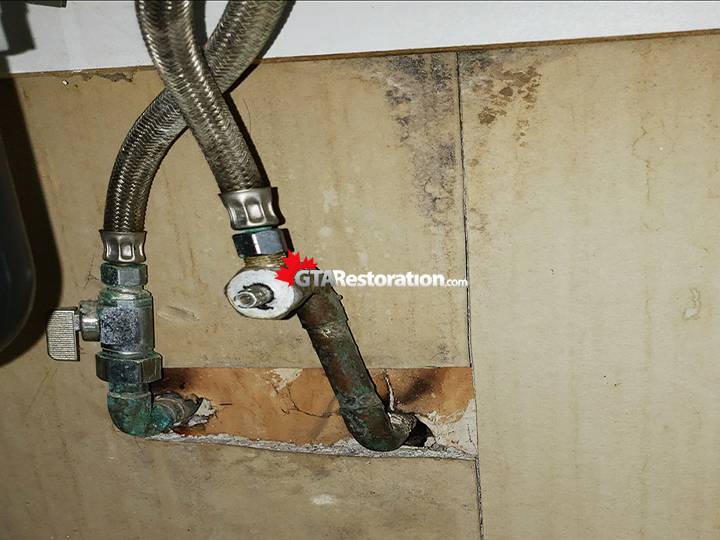


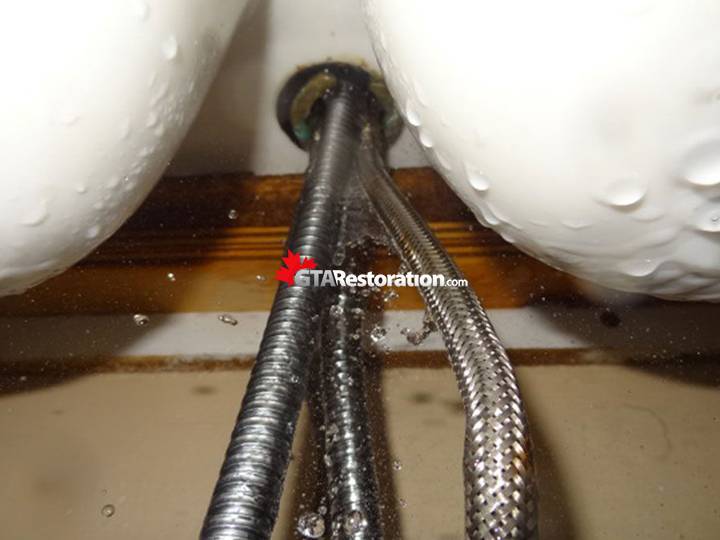

What to do if you have a clogged drain?, Emergency Plumbing: What to do in a plumbing emergency, Burst Pipe Plumber, What services do plumbers offer?, Commercial Emergency Plumber, Tips to Avoid Plumbing Emergency!, Frozen Pipe Burst Toronto,
For non-emergencies use our contact form
24-Hour Emergency Plumber Toronto, Fire Damage Restoration, Flooded Basement Cleanup, Water Damage Restoration, Mold Removal, & Biohazard Remediation service in Toronto & the GTA. When the unexpected happens, it does not just damage your property, it causes chaos in your schedule, budget, and the day-to-day life! GTA Restoration remedies any situation with a quick, well-equipped, and effective response team that extends reliable assistance for your indoor emergencies at any given time of day or night. From water damage, broken plumbing to mold and asbestos biohazard contamination, our property damage specialists can assess, address, and restore your home or building, stress-free.
We are one of the leading emergency plumbing company in Toronto located at North York, 12 Upjohn Road. Are you facing any serious plumbing problems like blocked drains, boiler burst pipe, blocked toilet, freezing burst pipes? Worried about finding the best plumber near you? Feel free to get in touch with Emergency Plumber Toronto where our plumbing specialists ensure to deliver high quality service to customers at affordable rates.
Do you need a Commercial Emergency Plumber in Toronto at your commercial property, business or industrial plant? GTA Restoration has emergency plumbers on standby 24 hours a day, 7 days a week. We quickly deal with burst pipes, sewer backups, clogged drains, clogged toilets and sinks or any other plumbing emergency. Our emergency plumber will first address the water or sewage leaking and then will work on fixing the plumbing issue at hand.
We understand that any situation involving Biohazards Waste Contamination in your home or business can cause stress and anxiety, which is why Contact GTA Restoration right away @ (800) 506-6048 For dependable & experienced biohazard cleanup & remediation services.
GTA Restoration offers local flood & water damage repair, mold removal/remediation, asbestos removal/abatement, fire/smoke damage repair services and much more.
Wᴇ ᴀʀᴇ ᴄᴏᴍᴍɪᴛᴛᴇᴅ ᴏɴ ᴡᴏʀᴋɪɴɢ ᴡɪᴛʜ ᴇᴠᴇʀʏ ɪɴsᴜʀᴀɴᴄᴇ ᴄᴏᴍᴘᴀɴʏ ᴀᴄʀᴏss Cᴀɴᴀᴅᴀ & USA.




Call Us 800-506-6048
Head Office:
12 Upjohn Road,
#1A
Toronto,
ON, M3B 2V9
Open 24 hours
Downtown Office:
250 Yonge St,
#1 B
Toronto,
ON, M5B 2L7
Open 24 hours
Call us today to find the best product for your situation.
Head Office:
12 Upjohn Road,
Unit #1A
Toronto,
ON, M3B 2V9 Hours24-Hours Open
Downtown Office:
250 Yonge Street,
#1B Unit A
Toronto,
ON, M5B 2L7 Hours24-Hours Open
 Emergency? ➛ Click to Call!